Aerospace Composite Structures and Avionics Integration
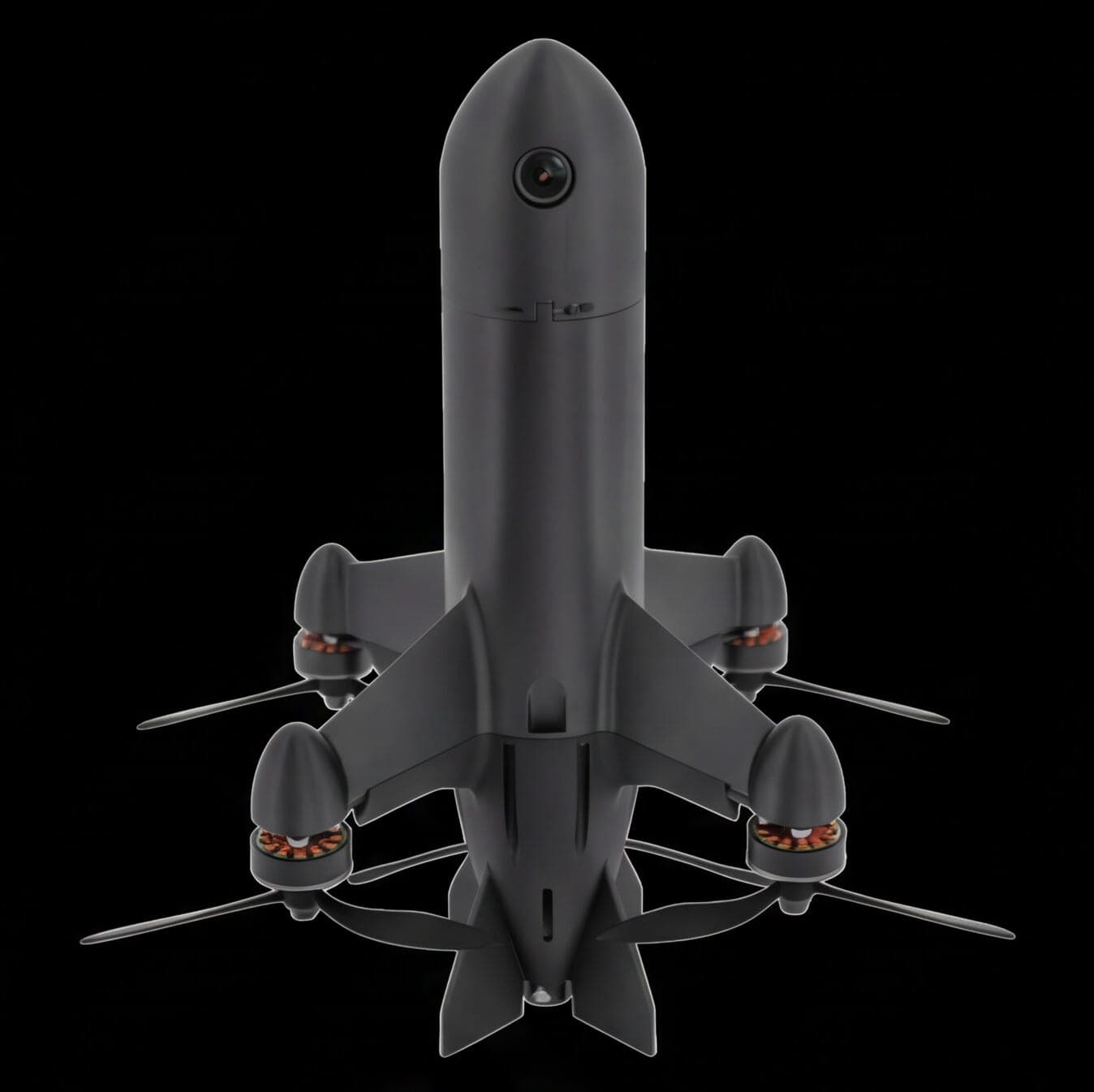
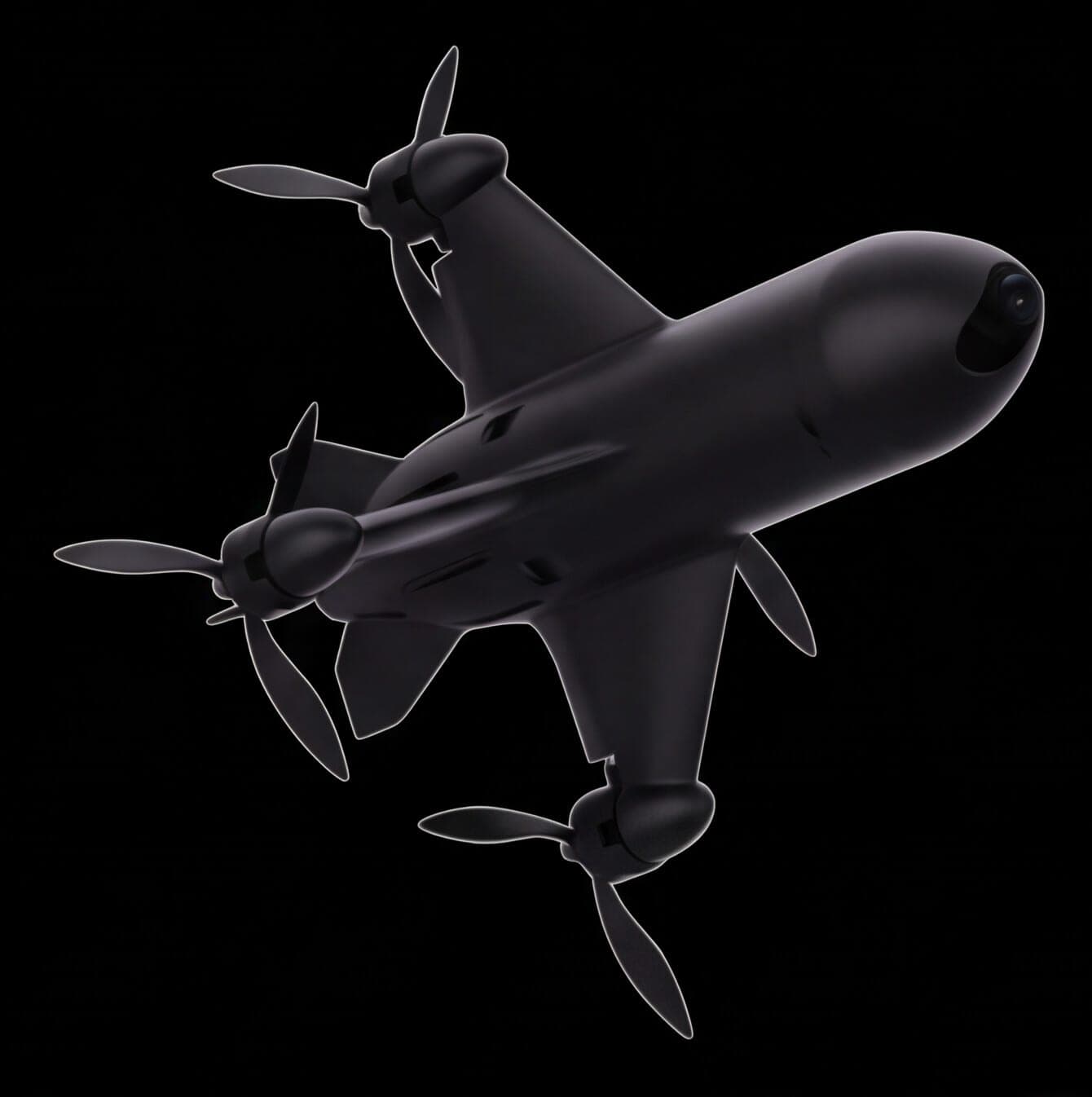
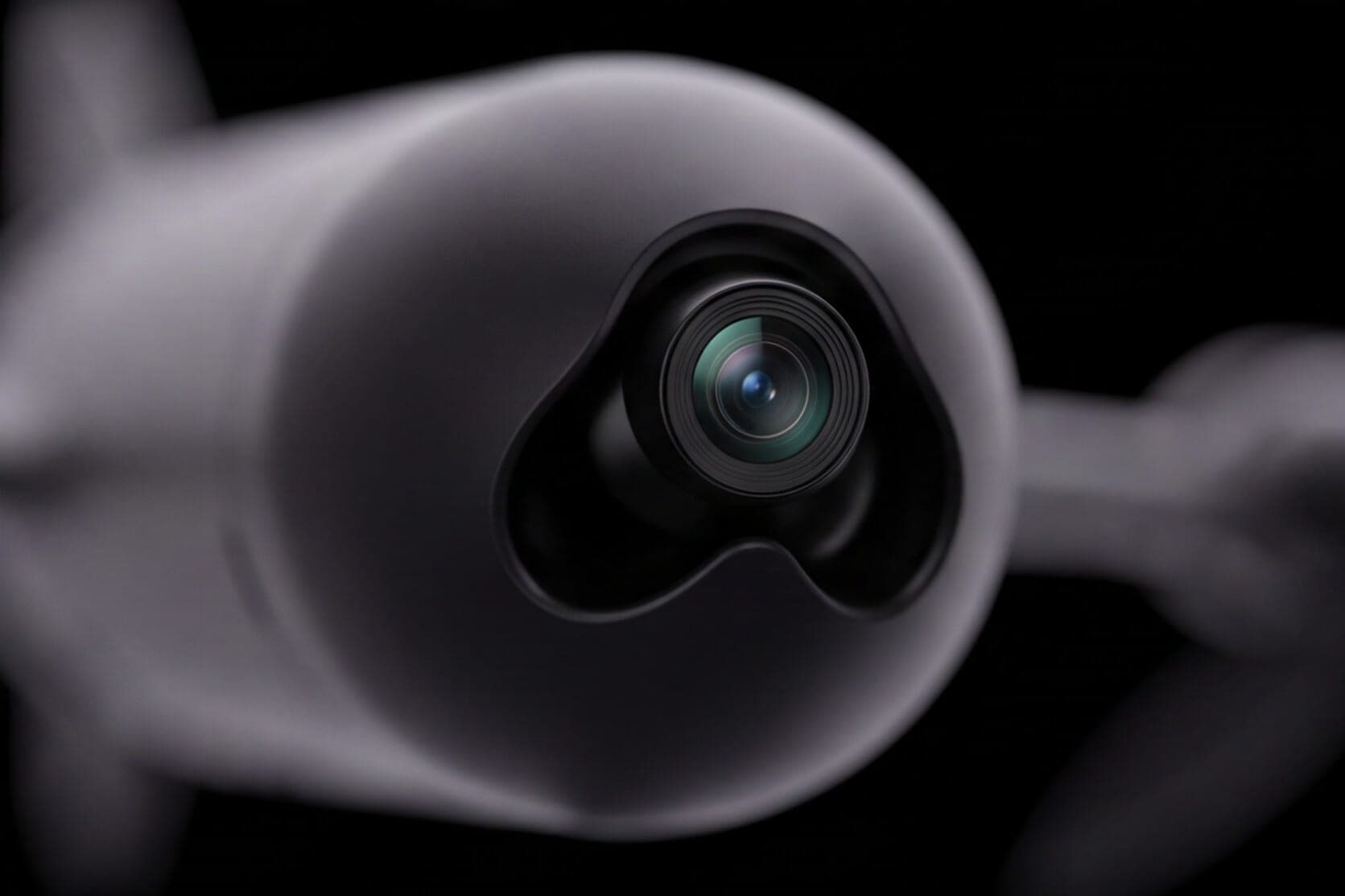
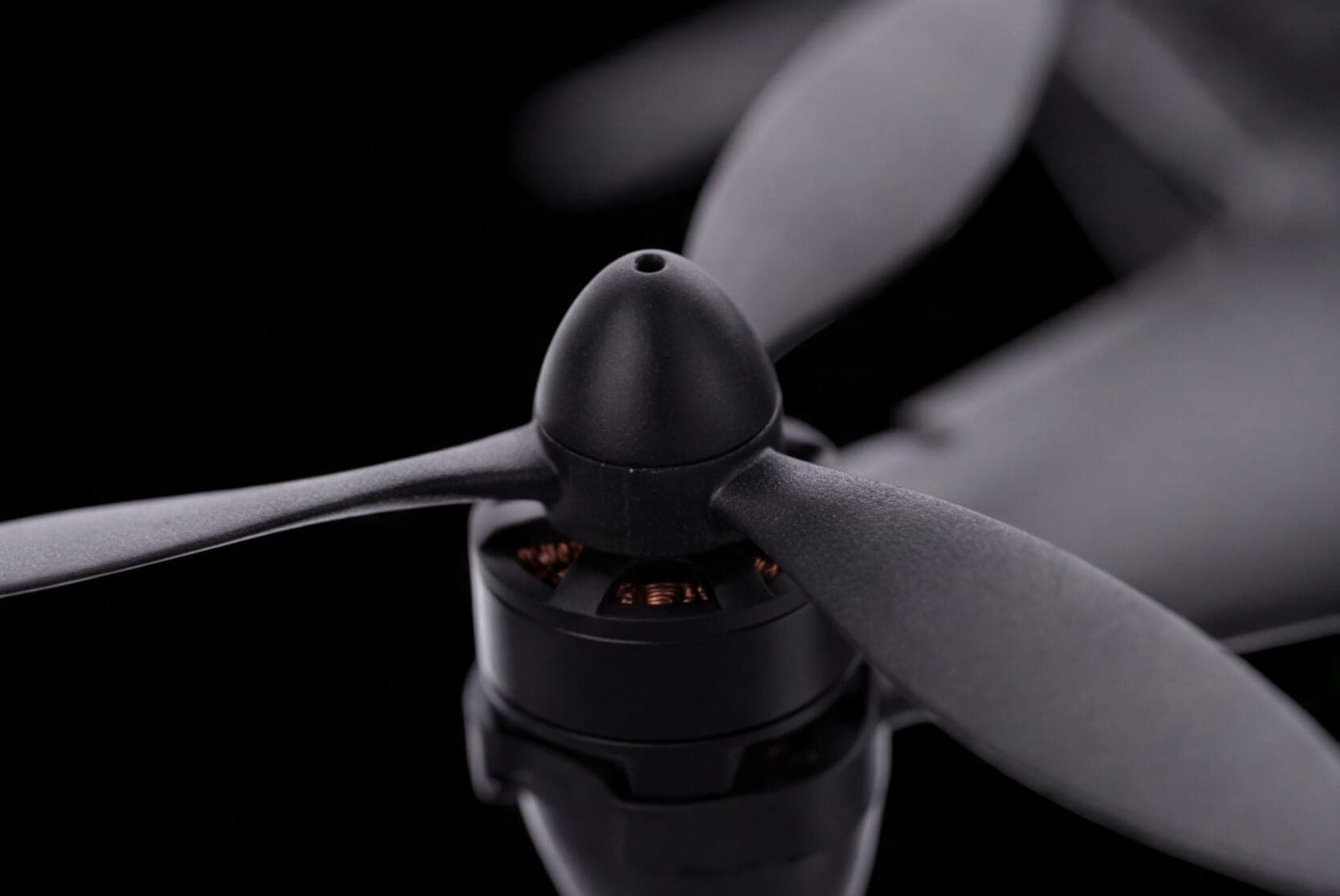
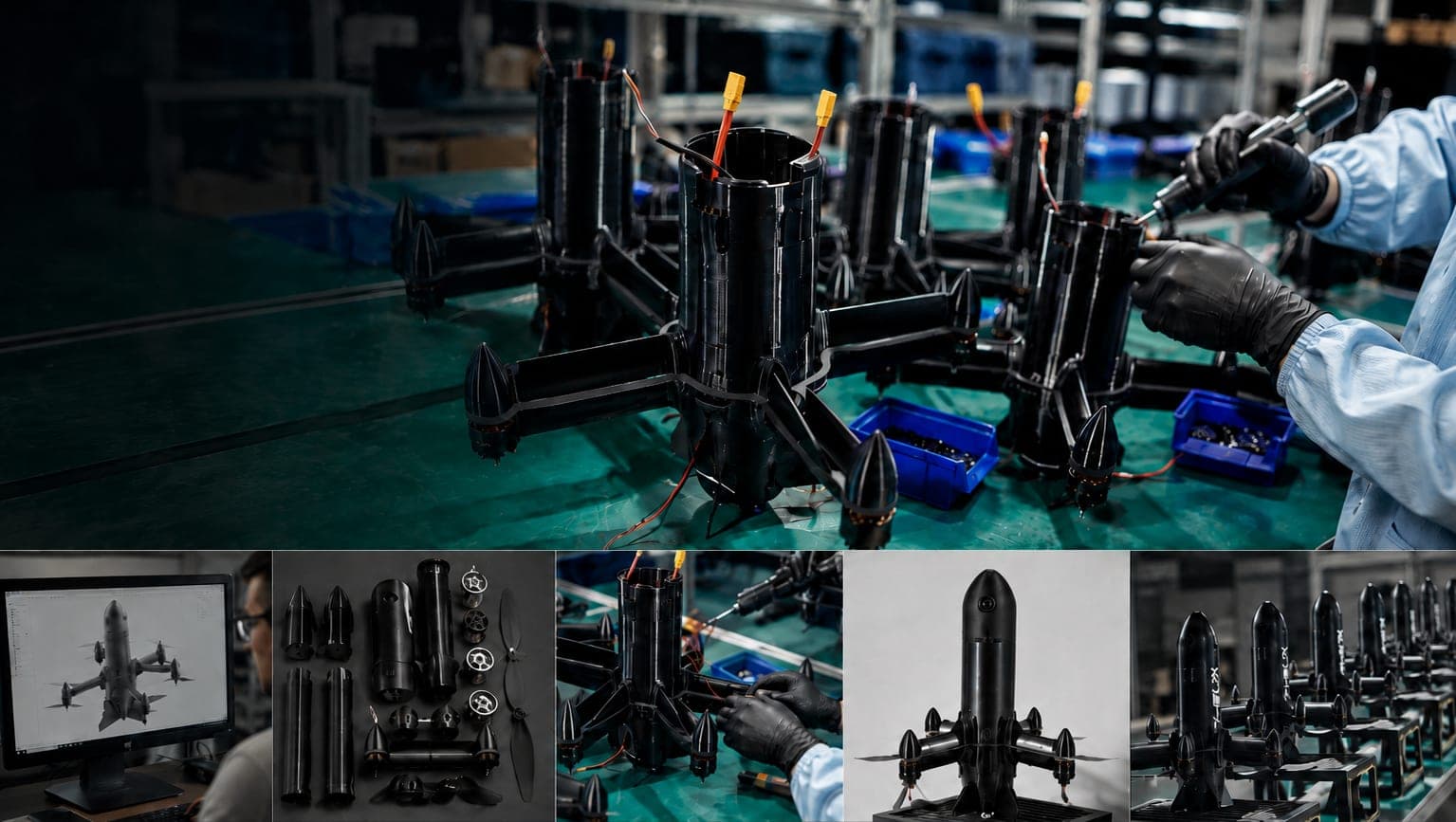
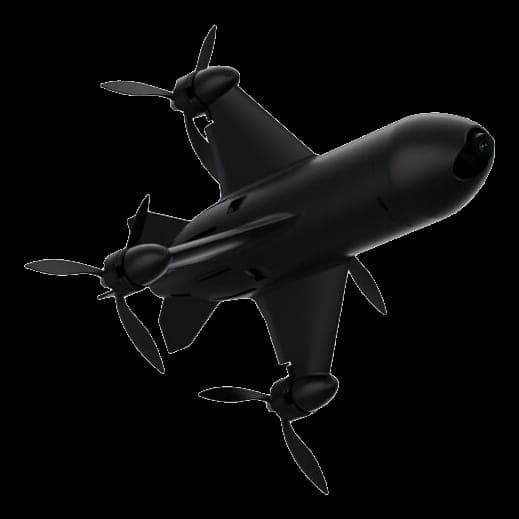
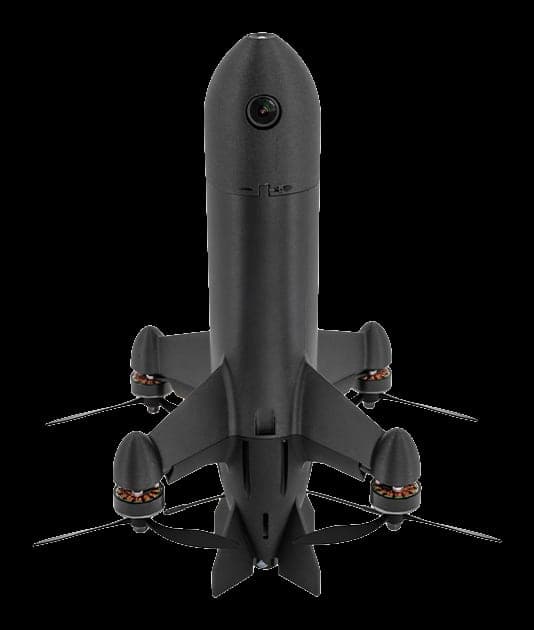
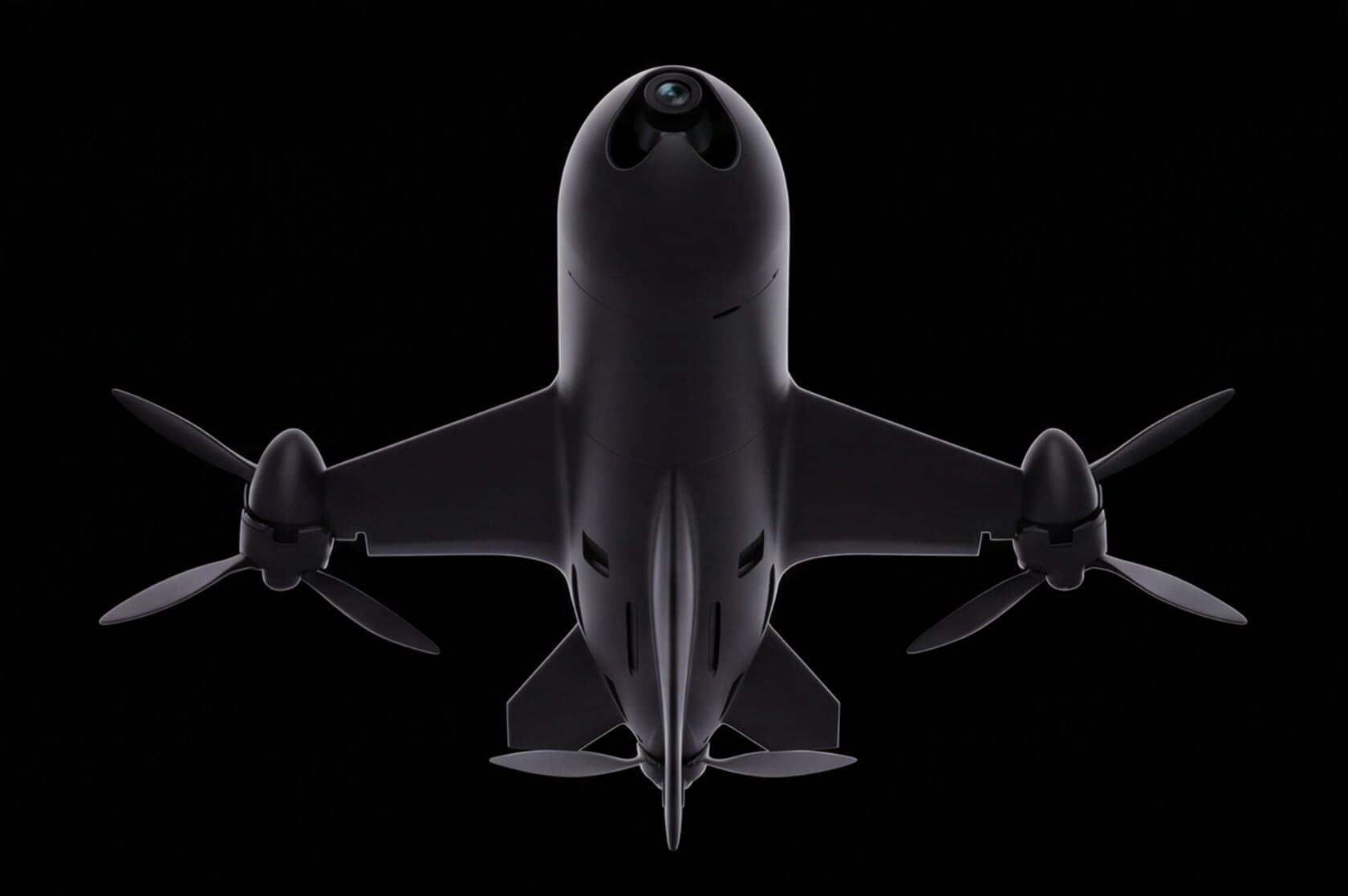
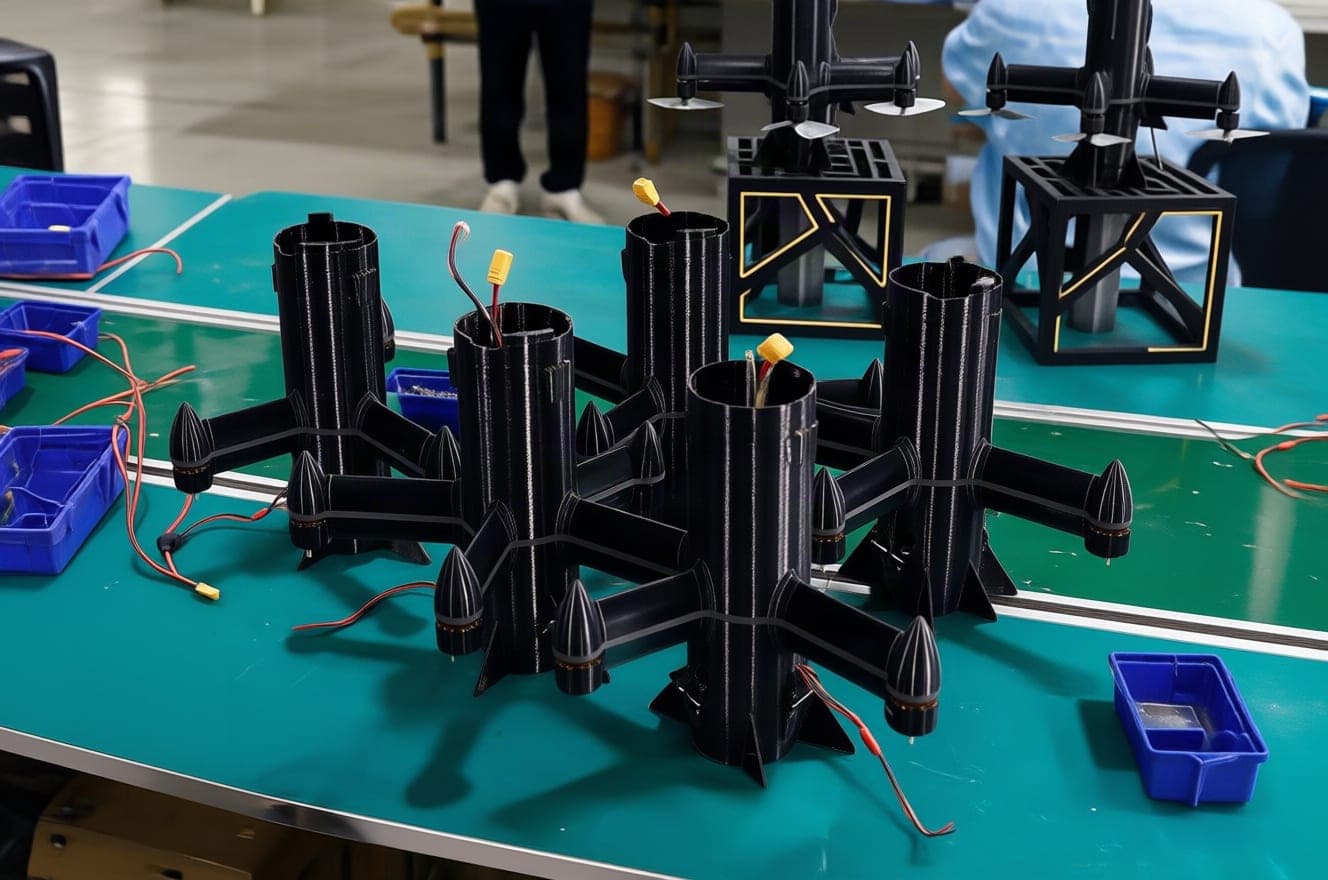
A development and production programme for a small unmanned aircraft built to a demanding performance envelope: an all-up mass held under two kilograms across a span of roughly 1.4 metres, airspeeds beyond 300 km/h, and operation to a 5,000 metre ceiling in ambient temperatures from −10 °C to 40 °C. Those numbers set the whole engineering problem. The mass budget drove a lightweight composite airframe with precision-machined mounts only where loads concentrate; the speed drove the structural and aerodynamic work, since surfaces sized for a slow aircraft will not survive that regime; and the short, high-energy mission profile meant propulsion, airframe and power had to be sized as one system rather than selected independently. Avionics, a dual-band 915 MHz / 2.4 GHz control link and a real-time 720p video downlink were integrated in-house, with antenna placement and shielding designed into the structure. Each revision was validated on the bench and in flight before the next was committed, and the programme moved from proven prototype into repeatable series production. Further details of this programme are held under NDA.
Key Features
- Composite airframe holding all-up mass under 2 kg across a ~1.4 m span
- Structure and aerodynamics engineered for airspeeds beyond 300 km/h
- Qualified to a 5,000 m ceiling and −10 °C to 40 °C operating range
- Dual-band 915 MHz / 2.4 GHz control link and real-time 720p video integrated in-house
- Propulsion, airframe and power sized as one system for a short high-energy mission
- Validated by bench and flight test, then transitioned to repeatable series production